(303) 848-8447

Concrete Slabs
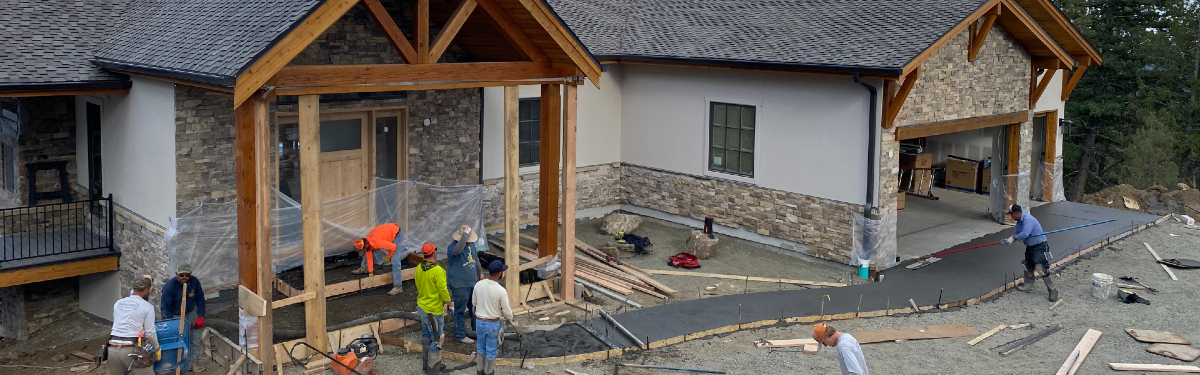
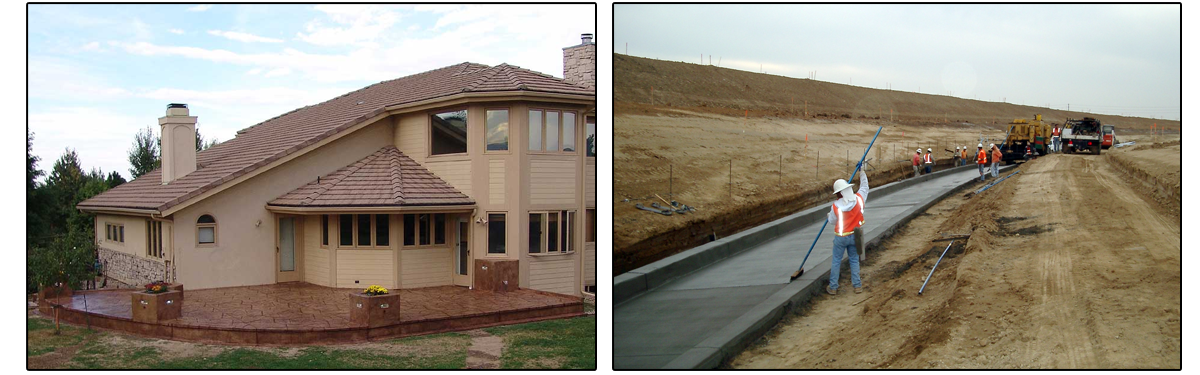
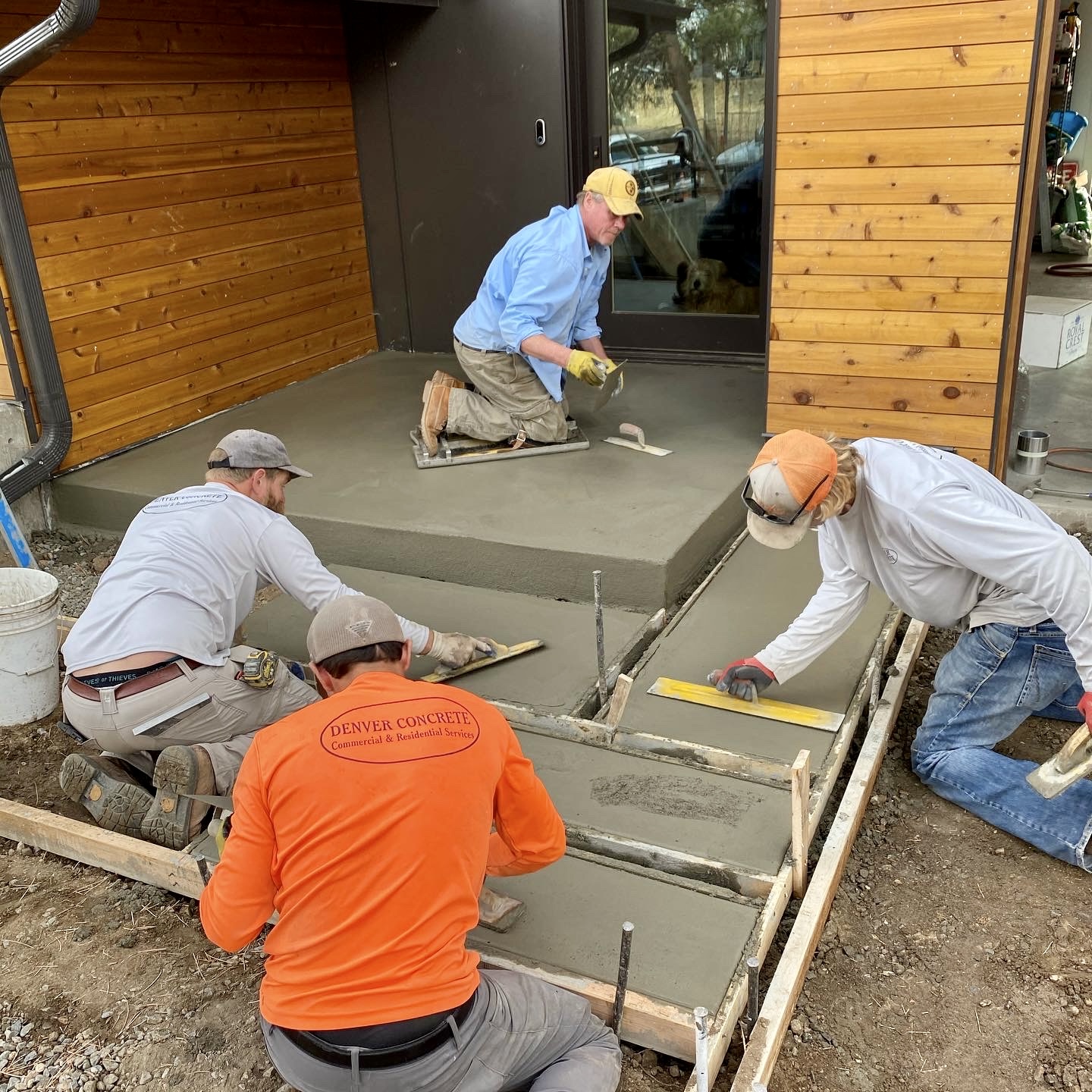
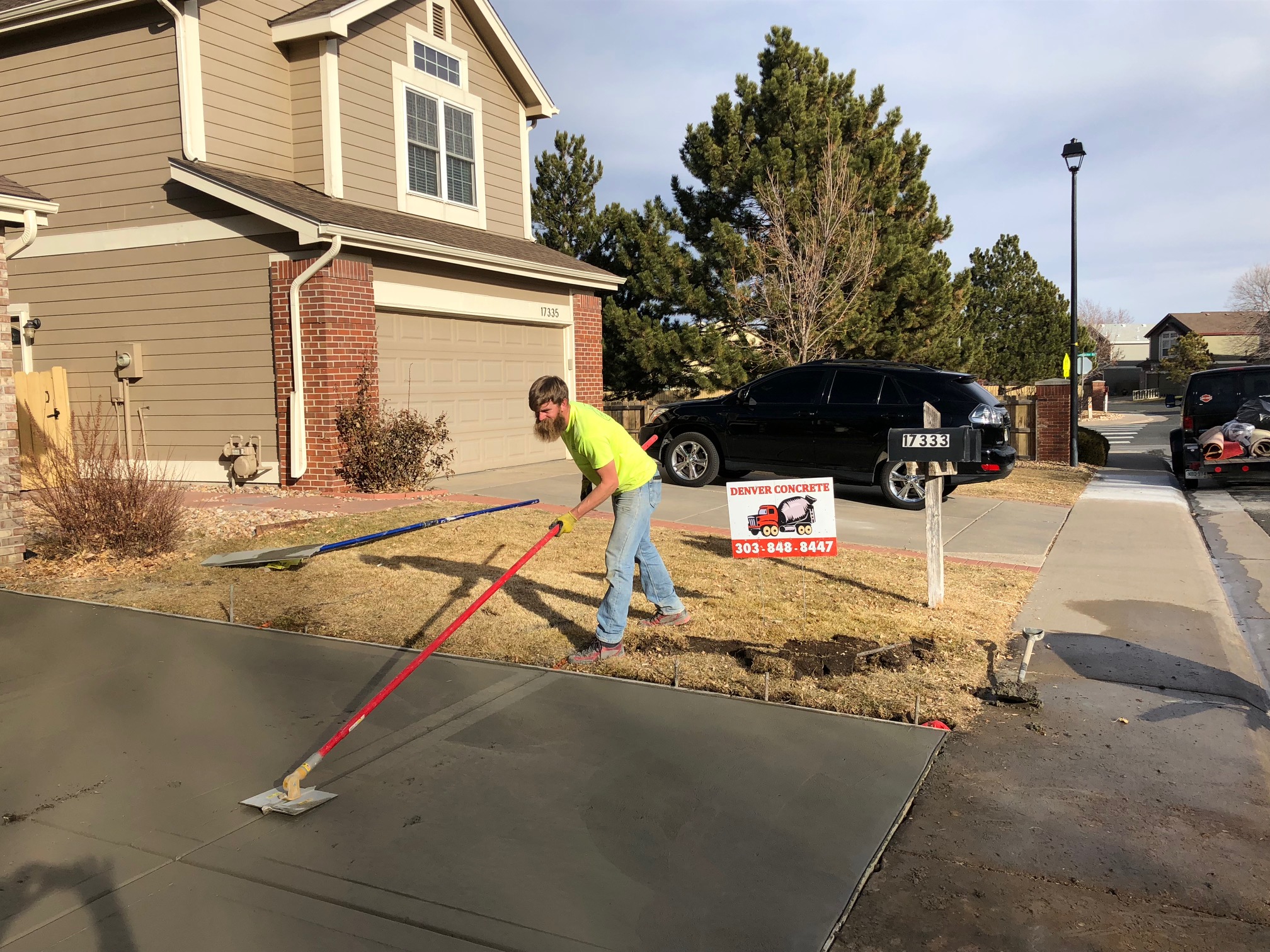
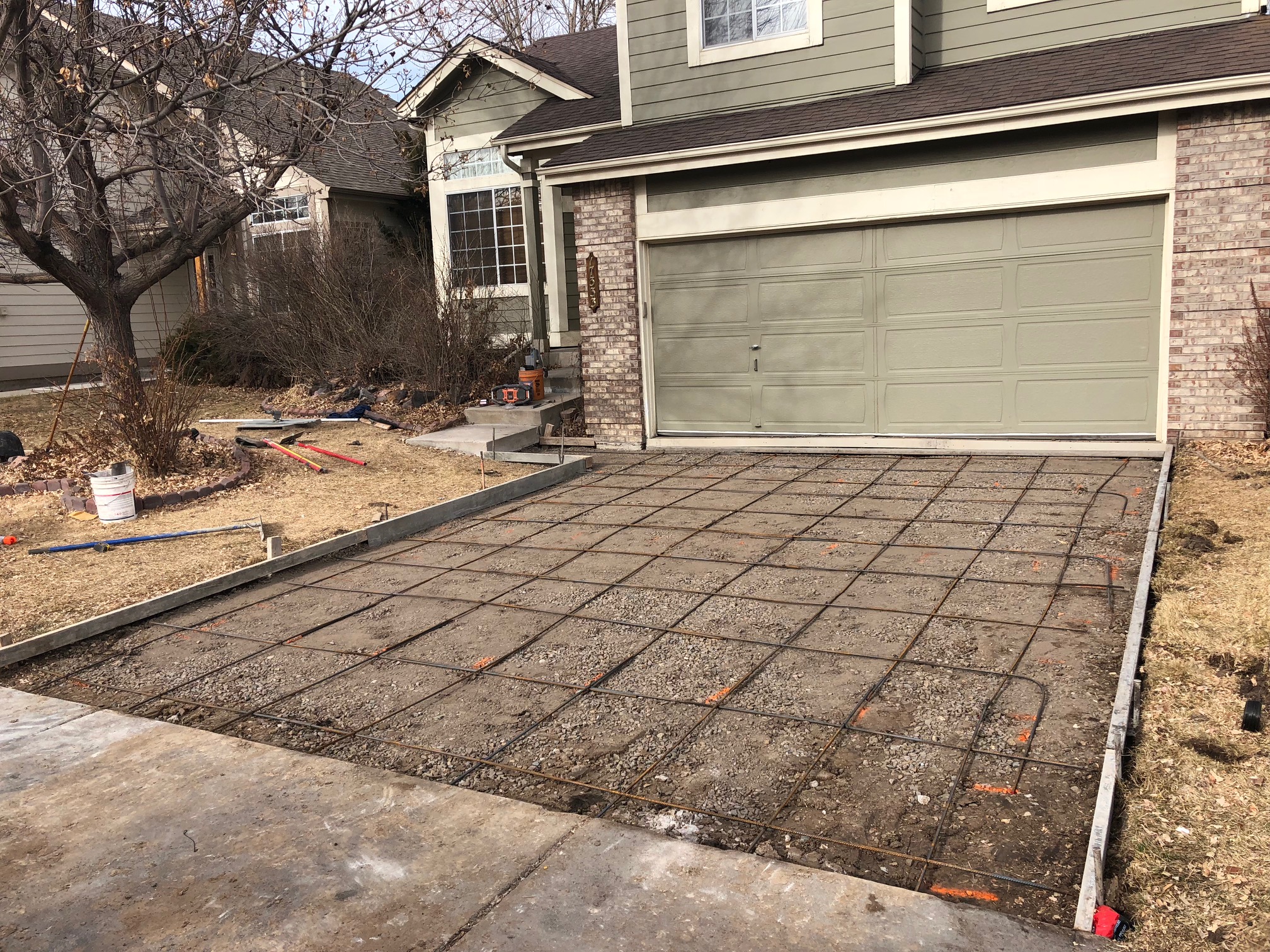
From small patios to large driveways, we pour concrete slabs of all shapes & sizes. We pour slabs with rebar, fiber or wire mesh.
Stamped Concrete
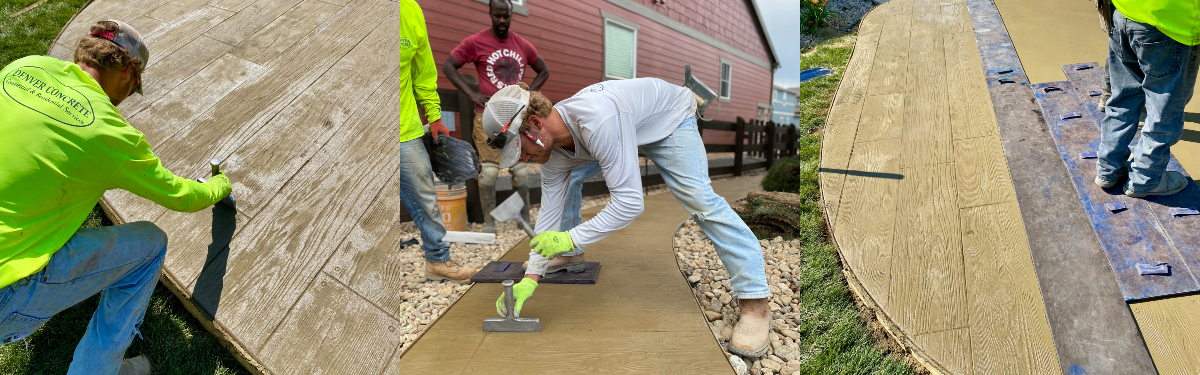
We pour stamped concrete patios, paths and driveways. We offer various stamped patterns for your decorative concrete needs.
Epoxy Floors
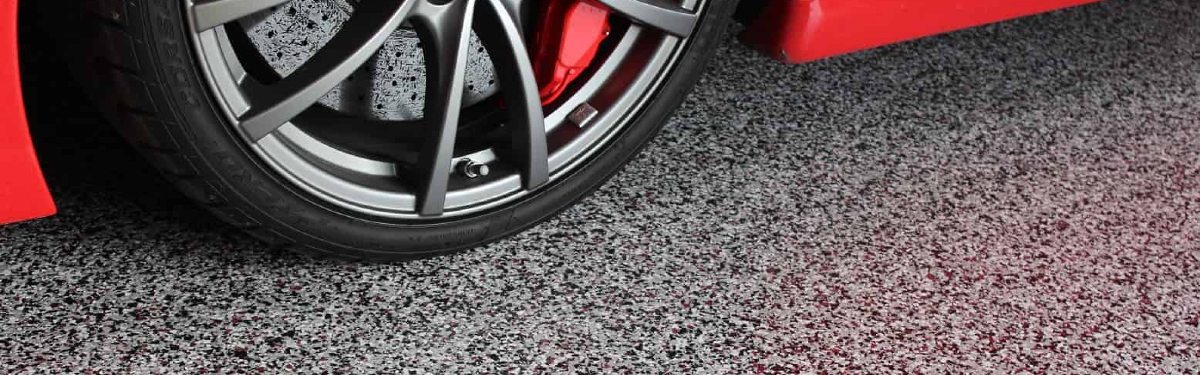
We offer durable epoxy floor coatings for garages, industrial floors, medical centers, shop floors and other concrete slabs.
englewood concrete company content here
The Downsides of Mud Jacking: Why It’s Not Always the Best Solution
Mud jacking has long been a common method for lifting and leveling sunken concrete, but it’s not always the best solution for long-term results. While it can be a quick and cost-effective option, mud jacking has several drawbacks that property owners should consider before choosing this repair method. In this article, we’ll explore some of the negative aspects of mud jacking, along with real-world examples that highlight why concrete replacement or alternative solutions might be a better investment.
What is Mud Jacking?
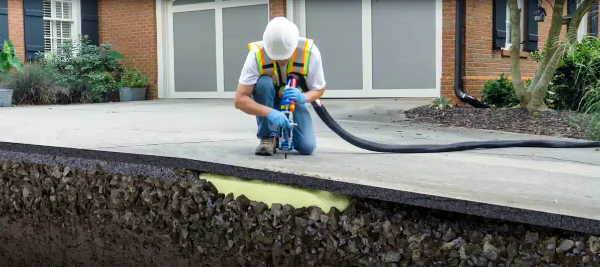
Mud jacking, also known as slab jacking or concrete lifting, is a process that involves pumping a mixture of cement, soil, water, and other additives beneath a sunken concrete slab. The pressurized slurry fills voids in the soil and raises the slab back to its original position. While this method may seem like an easy fix, it comes with several downsides that can lead to recurring issues and costly repairs down the road.
The Negative Aspects of Mud Jacking
1. Temporary Fix Rather Than a Permanent Solution
One of the biggest issues with mud jacking is that it often provides only a temporary fix. Because the underlying cause of the concrete sinking—typically poor soil conditions or erosion—remains unresolved, the slab may continue to settle over time.
Example:
A homeowner had their driveway lifted using mud jacking after noticing uneven sections. Within two years, the slab had begun to sink again due to ongoing soil erosion beneath the surface. Eventually, they had to replace the entire driveway, making the initial mud jacking attempt a wasted expense.
2. Added Weight Can Cause Further Settlement
The mud jacking process involves injecting a heavy slurry mixture under the slab, which can sometimes cause more harm than good. Since the existing soil beneath the concrete was already weak, adding extra weight can further compress the soil and lead to additional settling.
Example:
A business owner opted for mud jacking to fix an uneven sidewalk leading to their storefront. However, the added weight from the slurry mixture caused the unstable soil underneath to compress even further, resulting in more cracks and unevenness just a year later. They ended up having to replace the sidewalk completely.
3. Limited Effectiveness for Large or Severely Damaged Slabs
Mud jacking works best for minor leveling adjustments but is not effective for severely cracked or damaged concrete. If the slab is significantly deteriorated, lifting it may not restore its structural integrity, leaving it susceptible to further damage.
Example:
A homeowner used mud jacking to lift a portion of their sunken patio. However, the slab had already developed multiple deep cracks before being lifted. After the process, the cracks widened, allowing water to seep in, which accelerated deterioration. Within a few seasons, the slab became hazardous and required a full driveway replacement.
Why Replacing Concrete is a Better Option
While mud jacking can provide a temporary lift, replacing the concrete offers a longer-lasting and more reliable solution. Here’s why replacing your concrete is often the smarter choice:
- Prevents Recurring Issues: New concrete eliminates the risk of repeat sinking, whereas mud jacking only masks the underlying problem.
- Better Aesthetic Appeal: Replacing old, cracked, and uneven concrete improves the overall look of your property.
- Stronger, More Durable Solution: Modern concrete mixtures and proper ground preparation ensure long-term stability and durability.
- Increases Property Value: A properly installed concrete surface enhances the value of your home or business by providing a smooth, structurally sound finish.
Final Thoughts
While mud jacking may seem like a quick and inexpensive way to level concrete, it has several significant downsides that property owners should consider. From temporary fixes to added weight issues and limited effectiveness on damaged slabs, the drawbacks often outweigh the benefits. In many cases, opting for full concrete replacement is the best investment for long-term durability and value.
At our concrete company, we specialize in high-quality concrete installation and driveway replacement services that provide lasting results. If you’re dealing with sunken or damaged concrete, contact us today for a consultation and let us help you find the best solution for your needs!
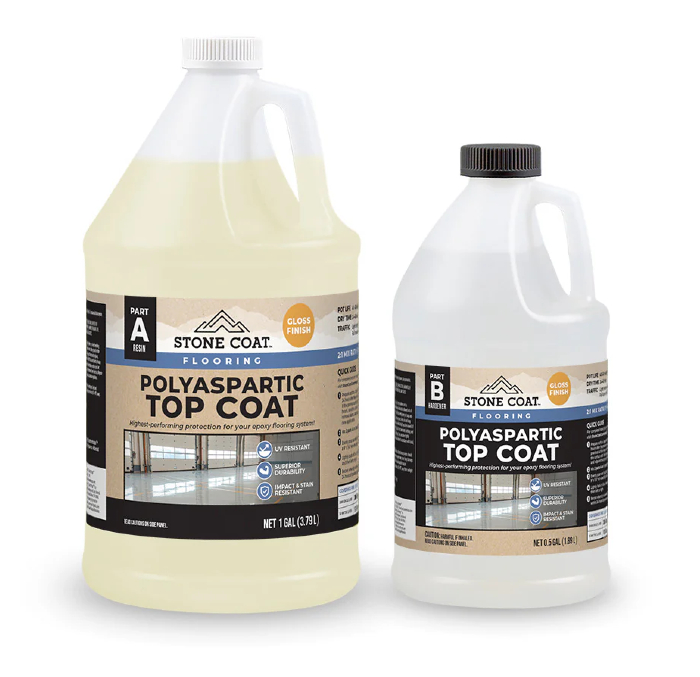 When it comes to durable, long-lasting, and high-performance flooring solutions, polyaspartic coatings stand out as one of the best options available today. Originally developed in the 1990s as a corrosion-resistant coating for steel structures, polyaspartic technology has evolved to become a premier flooring solution for residential, commercial, and industrial applications. Whether used as a standalone coating or as a protective topcoat over epoxy floors, polyaspartic coatings offer unparalleled benefits in terms of durability, aesthetics, and ease of maintenance.
In this article, we’ll explore what polyaspartic is, its advantages for flooring applications, and why our concrete company uses it to enhance epoxy floor coatings.
What is Polyaspartic?
Polyaspartic is a type of aliphatic polyurea coating that is commonly used as a protective layer for concrete floors. It is a two-component system consisting of a resin and a catalyst that, when mixed, creates a fast-curing and highly durable coating. Unlike traditional epoxy coatings, which take longer to cure, polyaspartic coatings dry quickly, making them an excellent choice for projects that require minimal downtime.
Polyaspartic coatings can be applied in a variety of finishes, including clear, solid colors, and decorative flake systems. They offer superior adhesion to concrete surfaces and provide long-lasting protection against wear and tear.
The Benefits of Polyaspartic Floor Coatings
1. Fast Curing Time
One of the biggest advantages of polyaspartic coatings is their rapid curing time. Traditional epoxy coatings can take several days to fully cure, requiring extended downtime for businesses and homeowners. In contrast, polyaspartic coatings can be applied and fully cured in as little as 24 hours, allowing for a quick return to normal use.
More Articles ...
6 Things Every Denver Concrete Driveway Needs
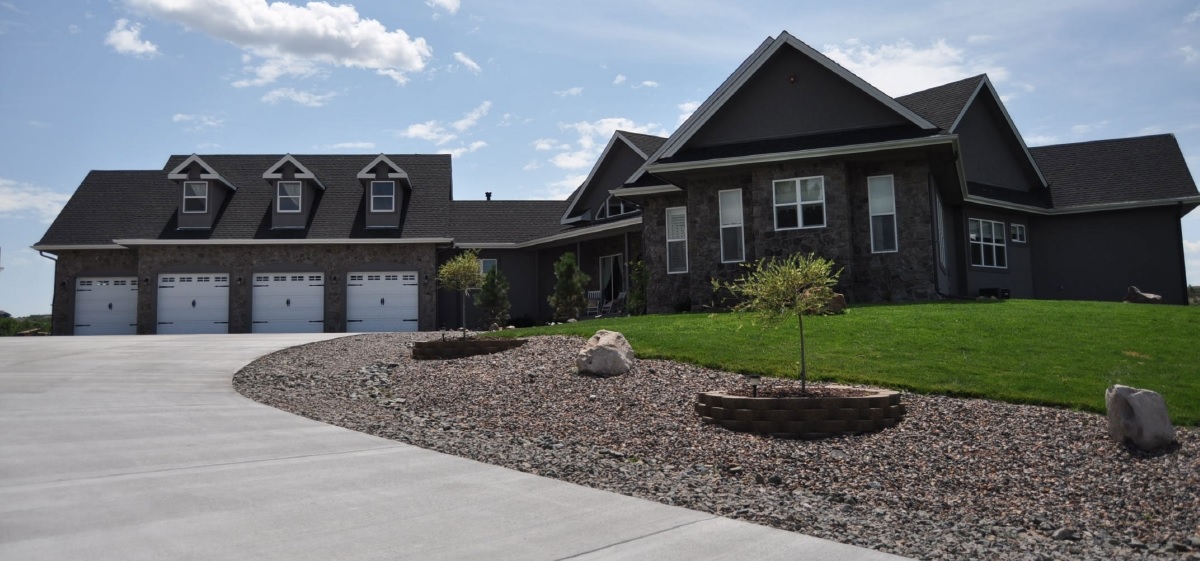 If you live in Denver or own a property in the Denver metro with a concrete driveway, then you are more than likely familiar with the extreme weathering that concrete driveways endure throughout the year.
Stamped Concrete FAQ
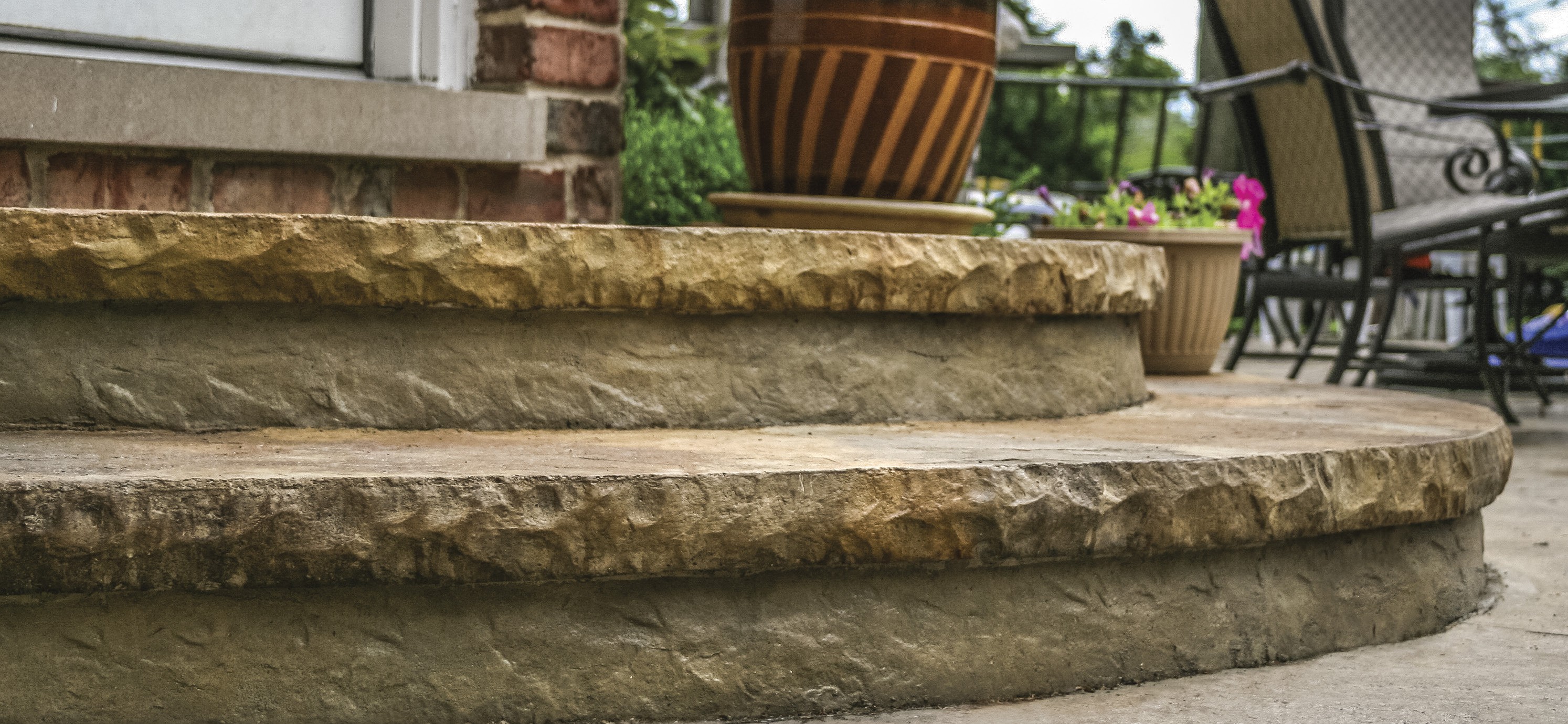
Stamped concrete is a great decorative option to improve the look of your home or business in Denver. At half the price of pavers or a wood deck, affordability is a bonus for adding stamped concrete to your landscape. We offer several concrete colors and stamp pattern options.
Here are some frequently asked questions about stamped concrete: Read More
We Now Offer Turf Installations in Denver
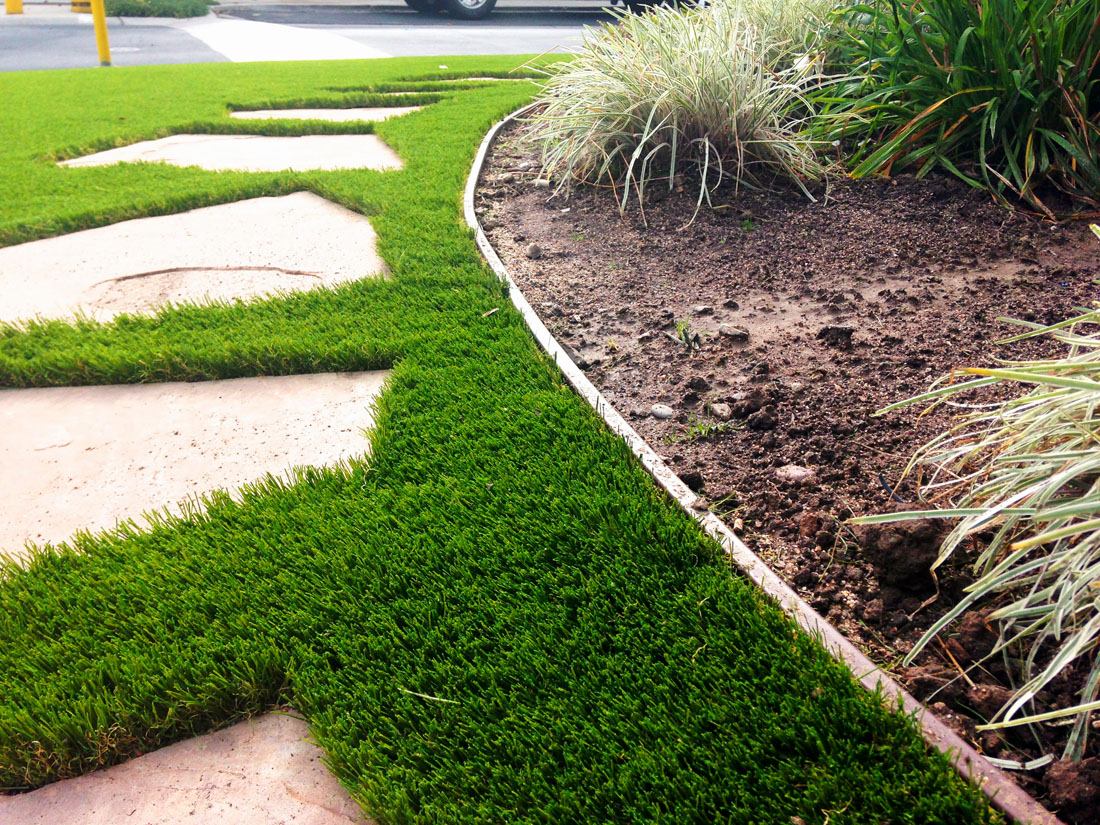
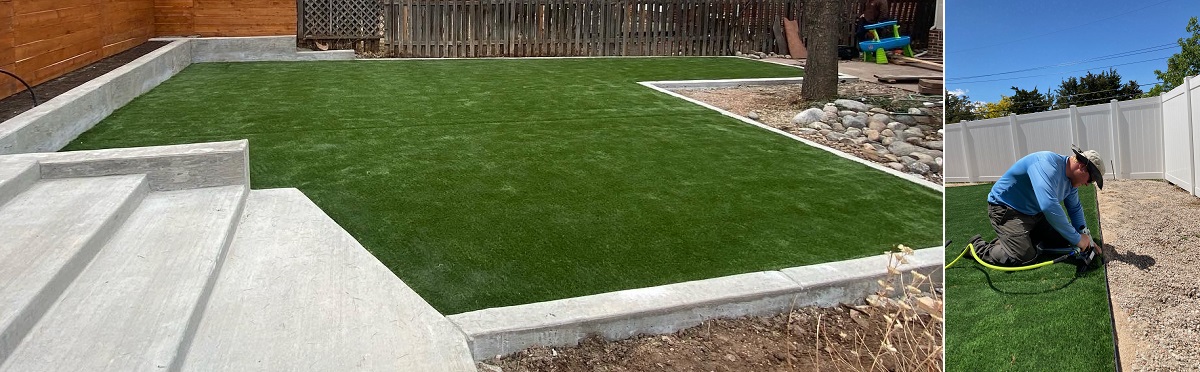
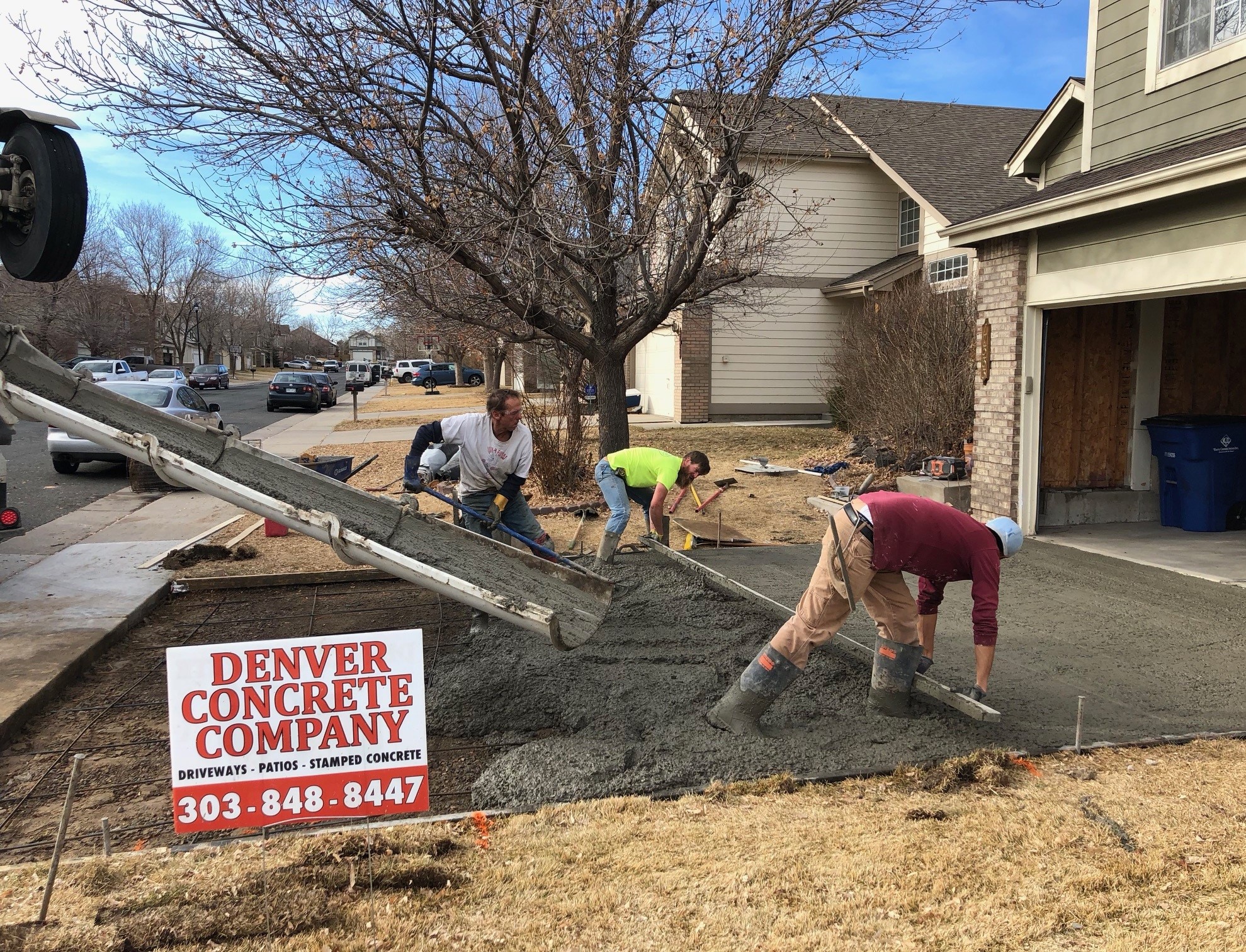
We now offer artificial turf installations in Colorado to compliment our concrete services. Big or small - we can help with any turf needs in the Denver metro.